New Book Launch: Early 20th-Century Dictatorships Explored
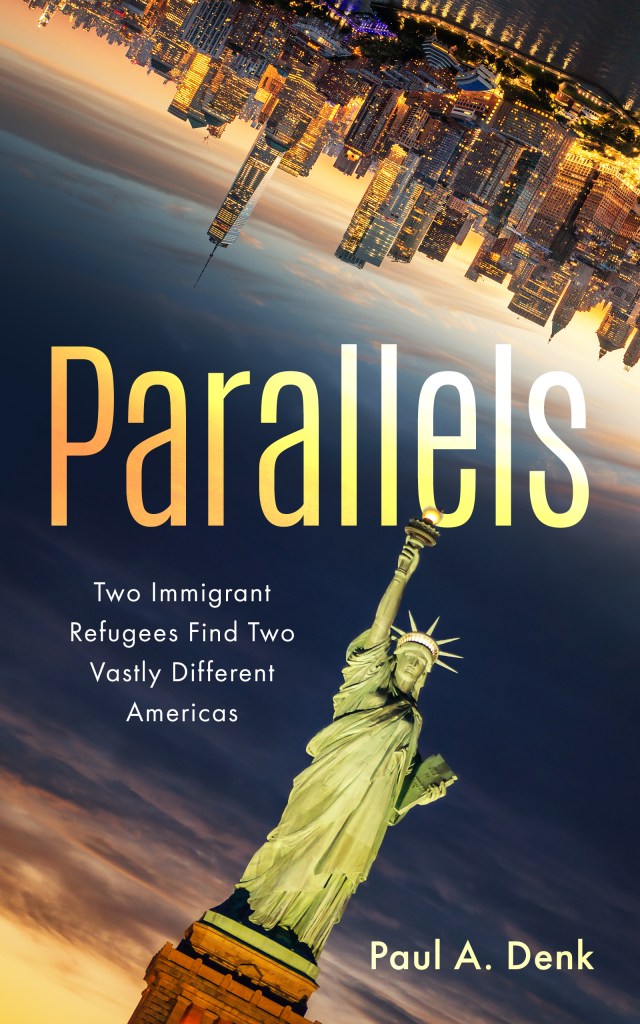
A new book by Paul A. Denk explores early 20th-century dictatorships, with real-life situations and people, and compares them with similar circumstances today. A handy tool is included, enabling the reader to spot an authentic dictatorship, even in the most unlikely places. World War II history buffs will enjoy reading the experiences of actual Europeans, some politically involved with Axis (pro-Nazi) governments. The book also offers the story of a recent political asylum seeker from Ethiopia.
Parallels is available now, in both paperback and electronic form, at Amazon.com (use the Get book link below) and Barnes and Noble by clicking here. The ebook is readable on any computer, iphone or Kindle device. The book is a MindStir Media publication.
Themes to explore . . .
Part 1 of Parallels offers details of both ordinary citizens and national leaders caught between two monumental political forces — the Third Reich and the Soviet Union — and reveals the choices they made.
Part 2 shows details of how a 21st-century journalist and teacher narrowly escaped murder by federal police in his African nation, journeyed through several continents, and sought asylum in America. It’s a hair-raising look at the realities of the immigrant “invasion” and internal “war” we now face.
Part 3 tells the ongoing story of an abandoned Central American child who became a productive US citizen — a scenario that our current leadership thinks impossible or at least undesirable.
Part 4 examines the effects of present-day isolationism and ultra-nationalism on our country and world.
Part 5 demonstrates how past historical disasters are being repeated today, and traditional religion is distorted and manipulated by politicians for personal gain. Examples of inept leadership are analyzed with their terrible real-world consequences. (This part also includes a chapter called Myasorubka: if Russia’s 2024 invasion of Ukraine is compared to the Allies’ invasion of Europe in 1944, then Putin is still stuck on a beach in Normandy.)
A bonus chapter at the end of the book reveals how anyone can spot a fascist dictatorship before it evolves into a national and international catastrophe. A must-have tool in the age of Trumpism.
About the Author . . .
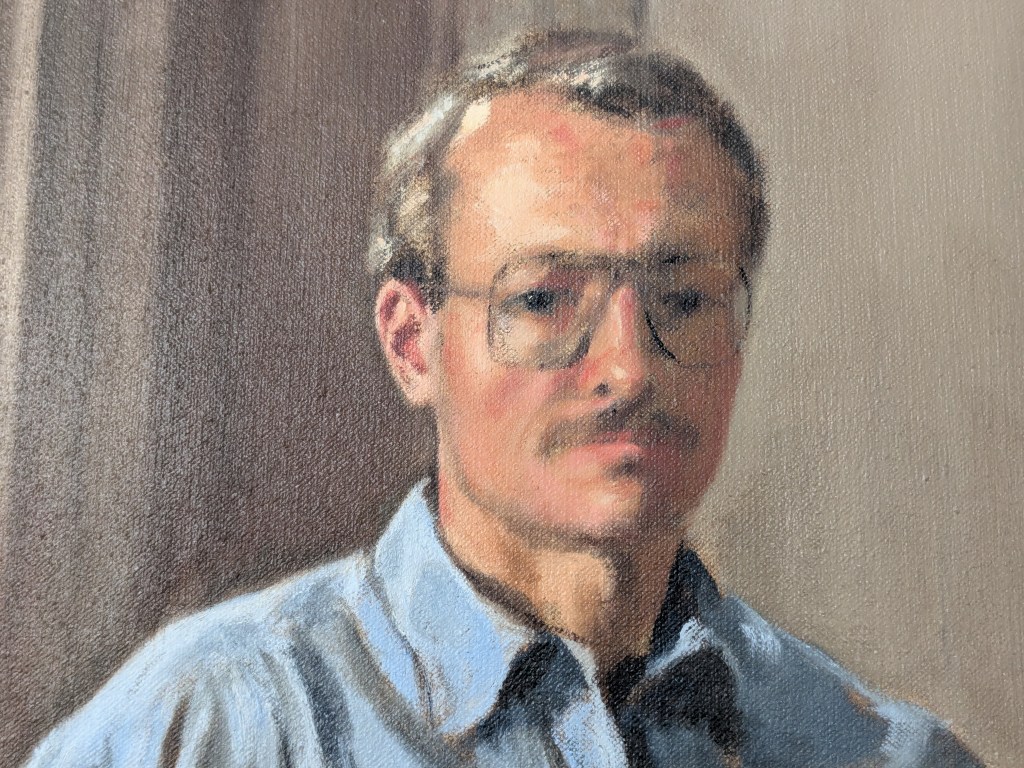
Paul A. Denk holds a Phi Beta Kappa key and Master’s degree in English and American literature from Fordham. Born in Germany in 1948, he became a naturalized US citizen in 1965. He worked in the pharmaceutical industry and held an AT&T management position for more than 20 years. He provides a fresh look at today’s political situation.
Articles on Themes discussed in Parallels
For more information relevant to the book, please tap the button below.
 parallelsversusdictators.org